

The motivational model of alcohol use proposes that drinking behavior results from the interaction between conscious (explicit) and unconscious (implicit) motivational processes. Alcohol-related cues activate incentive motivation, and the decision to drink depends on whether a person expects the positive affective consequences of drinking to outweigh those of not drinking.
According to the model, a primary determinant of alcohol motivation is the balance of incentives in a person's life. People are more motivated to use alcohol when they lack satisfying positive incentives to pursue and when their lives are burdened by negative incentives they are not making satisfactory progress toward removing. This places alcohol use within a broader motivational framework where drinking decisions are part of the person's total motivational nexus.
How Conscious and Unconscious Processes Interact

The motivational model distinguishes between explicit (conscious) and implicit (unconscious) motivational processes. Explicit processes involve deliberate, reasoned decisions about drinking, while implicit processes operate automatically and are activated by alcohol-related cues. This interaction explains why drinking behavior can be influenced by triggers outside a person's awareness.
Classically conditioned responses also play a role in shaping motivation. The model describes two types of conditioned responses: those that antagonize alcohol's effects and those that mimic them. Antagonistic responses create discomfort that a person may expect to relieve with more alcohol, thereby increasing the decision to drink. Conversely, conditioned responses that mimic alcohol's effects can either stimulate desire to drink or serve as a substitute, potentially reducing the decision to drink.
Take it further
Discussing Motivation
Have you ever noticed that drinking feels more tempting when you have nothing else rewarding to focus on?
Reflect in Mneno
The Role of Incentives and Goals
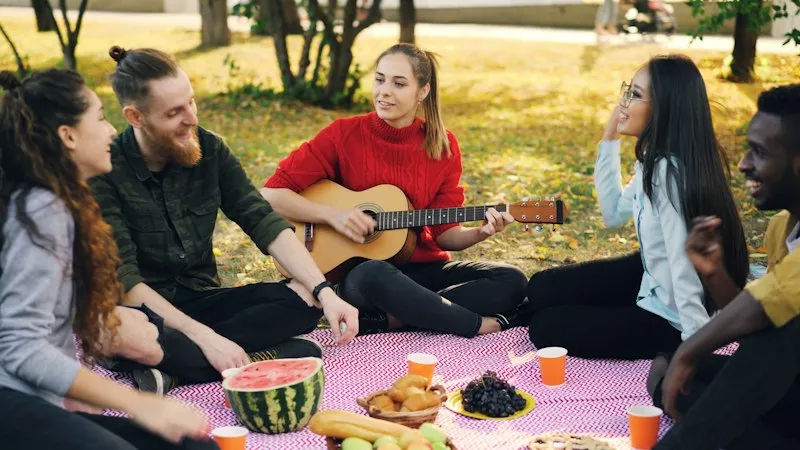
The motivational model emphasizes that nonchemical incentives in a person's life are a primary determinant of alcohol motivation. When positive incentives-activities, relationships, or achievements that bring satisfaction-are lacking, alcohol use becomes more attractive as an alternative source of reward. Similarly, when negative incentives like stress or unresolved problems dominate, using alcohol may feel like a way to escape, especially if progress toward removing those burdens is stalled.
This perspective is supported by the decision-making view of addiction, which places drinking decisions within the broader motivational context of a person's life. It suggests that abstinence correlates with the strength of nonchemical incentives: the more fulfilling alternatives a person pursues, the less motivated they are to drink. This aligns with clinical observations that relapses often occur when nonchemical incentives are weak.
Experimental Evidence on Cue-Induced Motivation
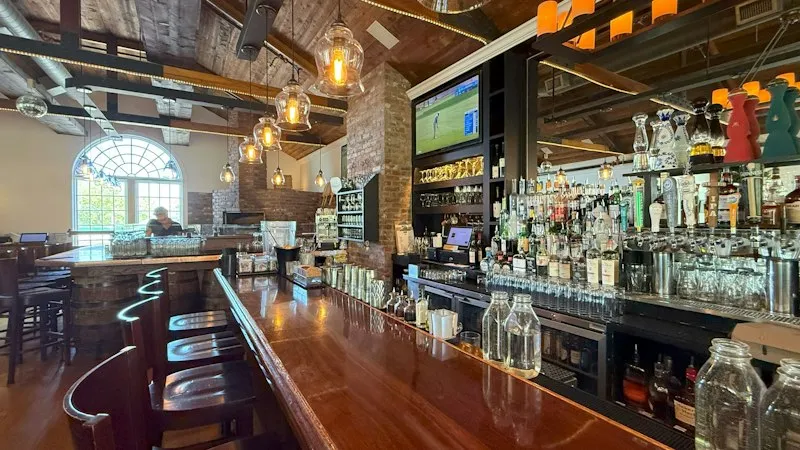
Experimental studies support the idea that attentional bias toward alcohol-related cues can increase motivation to drink. In one study with social drinkers, training attention toward alcohol cues led to higher subjective craving and stronger behavioral approach tendencies. This demonstrates that manipulating implicit motivational processes can directly affect drinking motivation.
These findings have practical implications for understanding how environmental cues can trigger alcohol use. If a person's attention is repeatedly drawn to alcohol-related stimuli-for example, in a bar setting or during advertisements-their implicit motivation to drink may increase, even if their conscious intentions are to abstain. The motivational model thus accounts for the gap between a person's explicit goals and their actual drinking behavior.
Practical Implications for Change

Because the motivational model views drinking as a decision shaped by the total motivational nexus, it suggests that reducing alcohol use requires addressing the broader balance of incentives in a person's life. Strategies that build satisfying nonchemical incentives-such as improving relationships, engaging in fulfilling activities, or resolving ongoing stressors-may reduce the relative appeal of alcohol.
The model also highlights the importance of expectations. If a person expects alcohol to provide relief from negative feelings or to be the only source of pleasure, changing those expectations through education or therapy can weaken the decision to drink. Conditioned responses can be reshaped through exposure-based techniques or by pairing alcohol cues with new, incompatible experiences.
FAQ
Common questions
Each answer is linked to its research.
How is the motivational model different from the disease model of addiction?
The motivational model views alcohol use as a motivated decision shaped by incentives, expectations, and conditioned responses, rather than as a disease that takes away control. It proposes that drinking decisions remain choices that are subject to influence by altering a person's motivational balance. In contrast, the disease model often frames addiction as a chronic brain condition that impairs control. The motivational model's decision-making perspective accounts for relapses long after detoxification and links abstinence to the strength of nonchemical incentives in a person's life.
SourcesS3S4All sources
What are nonchemical incentives and how do they affect alcohol use?
Nonchemical incentives are positive sources of satisfaction, meaning, or reward that do not involve substances-such as enjoyable hobbies, supportive relationships, meaningful work, or personal accomplishments. According to the motivational model, people are more motivated to drink alcohol when they lack such satisfying incentives and when their lives are burdened by negative incentives (like chronic stress) they cannot resolve. This is because alcohol becomes a relatively attractive substitute for missing rewards or an escape from unresolved problems.
SourcesS3All sources
Can the motivational model help explain why someone relapses after a long period of abstinence?
Yes. The motivational model explains that relapse can occur when a person's nonchemical incentives weaken or when they face negative incentives that feel overwhelming, making alcohol again seem like a viable means of relief. The decision-making view of addiction proposes that drinking decisions are shaped by the person's overall motivational context, not just by physical dependence. This accounts for clinical observations that relapses happen long after detoxification and that the strength of nonchemical incentives correlates with sustained abstinence.
SourcesS3S4All sources
Next read
Keep reading
Nearby guides picked by the editors of this article.
 DecisionWhy do I constantly get distracted by temptations like social media when I need to work?Understand why social media distracts you at work and compare three strategies to manage the temptation, each with different effort and trade-offs.3 min read
 How-toWhy You Give in to Distractions So Easily When You Want to FocusLearn how personal distractibility and environmental temptations combine to pull you off task, and what you can do about it.3 min read
 TechniquesWhy Do I Give In to Temptation at the Worst Possible Moments?Compare practices to manage temptation, from avoiding cues to precommitting, based on research on procrastination and self-control.3 min read
 TechniquesComparing Ways to Understand Your DrinkingExplore how expectations, stress, personality, and culture shape drinking. Compare practical ways to reflect on why you drink and how it affects you.3 min read
 ExplainerTemptation SusceptibilityTemptation susceptibility is the degree to which a person feels exposed to and struggles to resist tempting alternatives while trying to work.7 min read
References
Sources & evidence
4 research papers informed this article. The numbers beside each section link here, and each DOI opens the original paper.
Source 1:Attentional bias in addictive behaviors: A review of its development, causes, and consequences
FIELD, M, COX, W (2008). Attentional bias in addictive behaviors: A review of its development, causes, and consequences. DOI 10.1016/j.drugalcdep.2008.03.030
Source 2:A motivational model of alcohol use.
Cox, W. Miles, Klinger, Eric (1988). A motivational model of alcohol use.. DOI 10.1037/0021-843x.97.2.168
Source 3:Why college students procrastinate in online courses: A self-regulated learning perspective
Cheng, Sheng-Lun, Xie, Kui (2021). Why college students procrastinate in online courses: A self-regulated learning perspective. DOI 10.1016/j.iheduc.2021.100807
Source 4:Effects of using motivational regulation strategies on students' academic procrastination, academic performance, and well-being
Grunschel, Carola, Schwinger, Malte, Steinmayr, Ricarda, Fries, Stefan (2016). Effects of using motivational regulation strategies on students' academic procrastination, academic performance, and well-being. DOI 10.1016/j.lindif.2016.06.008