

Academic support inside classroom mentoring refers to a form of mentoring that occurs within the classroom setting, focused on helping students acquire academic knowledge and skills. A mentor in this context supports the student's academic success by providing subject-specific tutoring, evaluating progress, challenging the mentee academically, and establishing a structured teaching-learning process. Unlike broader life coaching, this approach centers on subject learning rather than general personal development.
This type of support is a specific function within a larger mentoring relationship, distinct from outside-classroom mentorship that involves sponsorship or advocacy. Effective use of this classroom-based mentoring requires the mentee to be actively engaged-asking questions and discussing problems. When both mentor and student participate actively, the relationship can better foster academic growth and psychosocial development.
What It Looks Like in Practice

Inside classroom mentoring involves direct academic support within the classroom environment. For example, a mentor may tutor a student on a difficult concept, assess their understanding through quizzes or assignments, and provide targeted feedback to improve the student's skills. The mentor focuses on subject learning-mathematics, writing, or science-rather than on life skills or personal advice. This process is structured as a teaching-learning interaction, where the mentor educates, evaluates, and challenges the mentee academically.
However, the effectiveness of this support depends on how the student uses the time. Research shows that to obtain full benefits from a mentoring relationship, the student (or protégé) must actively participate by asking questions and discussing problems and interests. Passive participation-simply receiving information without engaging-limits the outcomes of the classroom mentoring. Similarly, an observant mentor can recognize when a student is disengaged and adjust their approach to maintain a productive learning dynamic.
Take it further
Exploring Mentoring Roles
What types of support have you found most helpful-direct instruction during class or advocacy outside of it?
Reflect in Mneno
How It Is Studied and Measured

Researchers study inside classroom mentoring by examining its functions and outcomes. The Mentoring Functions Scale (MFS) is a tool that identifies two main factors: psychosocial mentoring (e.g., coaching, role modeling) and career-related mentoring (e.g., sponsorship, challenging assignments). Academic support inside the classroom is most closely related to the psychosocial functions, particularly coaching and challenging the mentee academically. Items in the MFS are retained only if they load clearly on one factor (>.30), ensuring that academic support measures are not conflated with other mentoring dimensions.
Studies also look at peer mentoring strategies within academic settings. For example, a narrative study of four female doctoral students found that peer mentoring strategies such as observation, self-reflection, emails, and group discussions helped reduce stress and improve academic skills like writing and socialization. These findings illustrate how inside classroom support can be implemented beyond the traditional teacher-student model. The key measure in such studies is the student's academic skill acquisition and emotional well-being within the classroom context.
Potential Outcomes and Limitations
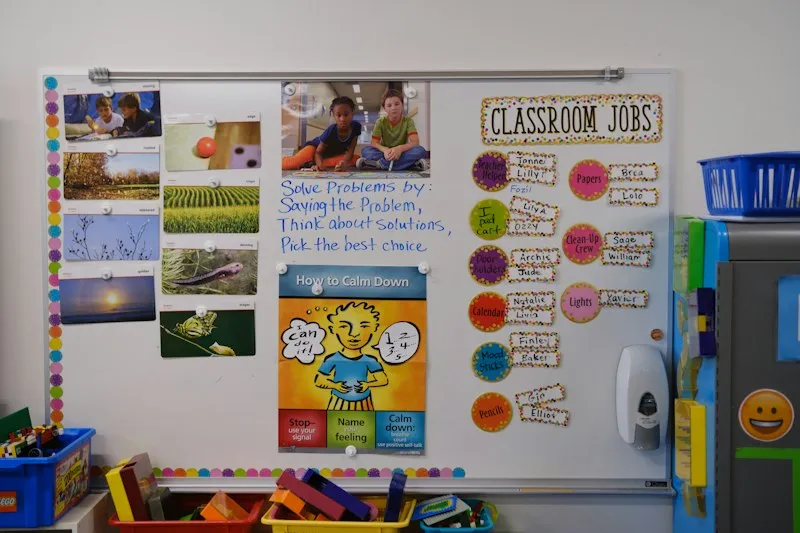
When properly implemented, inside classroom mentoring can lead to improved academic skills, such as better writing, subject knowledge, and participation in academic discourse. It also provides emotional support, which can alleviate stress and anxiety associated with academic work. These benefits are most evident when the mentor consistently focuses on subject-specific learning and the student actively engages with the process.
However, outcomes are limited by several factors. If the student is passive, the mentoring relationship yields fewer career and psychosocial benefits. Additionally, the mentor's own social and emotional competence (SEC) influences the quality of classroom interactions. Teacher burnout-characterized by emotional exhaustion, depersonalization, and reduced personal accomplishment-can negatively affect a mentor's ability to provide effective support. Therefore, even a well-structured mentoring program may underperform if the mentor is overwhelmed or lacks emotional resources to maintain a positive teaching-learning environment.
Inside vs. Outside Classroom Support
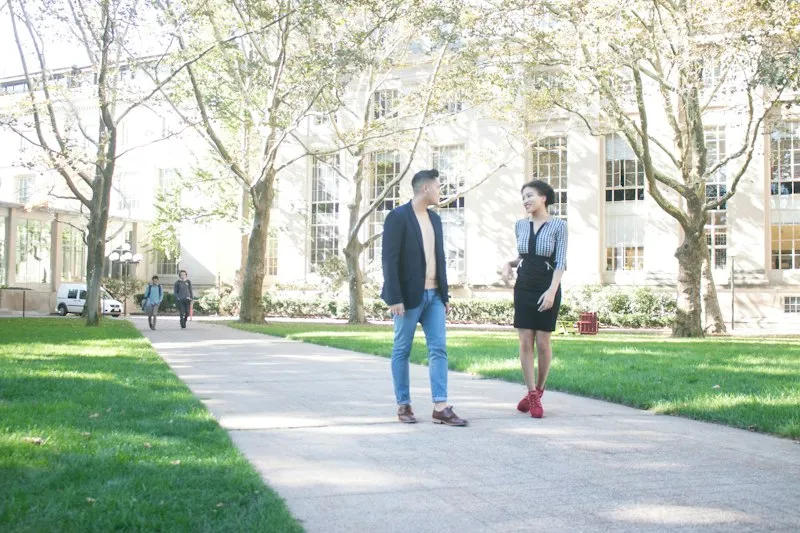
Inside classroom mentoring is distinct from outside classroom support. In outside classroom mentoring, the mentor actively sponsors the student beyond the classroom-nominating the mentee for promotions, providing visibility, shielding them from negative publicity, and discussing accomplishments with others. This form is more about advocacy and career advancement than direct academic instruction. Inside classroom support, by contrast, focuses on tutoring, evaluating, and challenging the mentee within the classroom setting, aiming to improve subject knowledge and skills.
Both forms are valuable, but they serve different purposes. For example, a mentor might help a student master a difficult concept during class (inside support) and later write a recommendation letter for an internship (outside support). The student benefits from both when the mentor is clear about each role. Understanding this distinction helps mentors choose the right approach based on the student's immediate needs-academic skill-building inside the classroom versus career sponsorship outside.
FAQ
Common questions
Each answer is linked to its research.
Can peer mentoring provide inside classroom academic support?
Yes. Peer mentoring can deliver inside classroom academic support. In a narrative study, four female doctoral students used strategies such as observation, self-reflection, emails, and group discussions with peers. These strategies helped them acquire academic skills, navigate their doctoral program, improve academic writing, and receive emotional support. This shows that classmates or colleagues can serve as academic mentors within a shared learning environment, not just more senior individuals.
SourcesS3All sources
How does a teacher's social and emotional competence affect mentoring?
A teacher's social and emotional competence (SEC) directly shapes their ability to provide effective academic support inside the classroom. According to the Prosocial Classroom model, higher teacher SEC contributes to a positive classroom climate, better teacher-student relationships, and effective implementation of social-emotional learning. When teachers are emotionally exhausted or depersonalized (signs of burnout), their ability to mentor declines, which can negatively affect student engagement and academic development. Thus, supporting teacher well-being is crucial for sustaining effective classroom mentoring.
SourcesS4S11All sources
What is the student's role in making inside classroom mentoring effective?
The student plays an active role. Research indicates that to obtain full career and psychosocial benefits from a mentoring relationship, the protégé must actively use time with the mentor by asking questions and discussing problems and interests. Passive participation limits outcomes. For inside classroom mentoring, this means the student should engage with the tutor, seek clarification, and express challenges. The mentor provides the structure, but the student's engagement determines how much academic growth occurs.
SourcesS5All sources
Next read
Keep reading
Nearby guides picked by the editors of this article.
 TechniquesThree Ways to Use Classroom Support More EffectivelyLearn three practices from mentoring research to help you engage with available support in school or university settings.3 min read
 TechniquesAcademic Help Outside the Classroom: Comparing ApproachesCompare peer mentoring, mentor utilization, and help-seeking strategies to find academic support outside the classroom.2 min read
 TechniquesWhy You Might Doubt Your Ability to Succeed in Your StudiesDoubt in your studies may reflect task-specific confidence gaps, not a fixed limit. Compare practical ways to examine and build academic self-efficacy.4 min read
- TechniquesComparing Practices to Stay Focused While StudyingCompare three evidence-based practices for managing distraction while studying: stimulus control, self-regulation training, and emotion regulation skills.3 min read
 ExplainerAcademic Support Outside Classroom MentoringOutside classroom mentoring involves mentors actively supporting students' academic success beyond formal instruction, including sponsorship and advocacy.5 min read
 ExplainerUnderstanding Contextual AwarenessLearn what contextual awareness means and how it appears in different settings, from classrooms to self-awareness of bodily states.5 min read
References
Sources & evidence
4 research papers informed this article. The numbers beside each section link here, and each DOI opens the original paper.
Source 1:Mentoring College Students: A Critical Review of the Literature Between 1990 and 2007
Crisp, Gloria, Cruz, Irene (2009). Mentoring College Students: A Critical Review of the Literature Between 1990 and 2007. DOI 10.1007/s11162-009-9130-2
Source 2:The Prosocial Classroom: Teacher Social and Emotional Competence in Relation to Student and Classroom Outcomes
Patricia A. Jennings, Mark T. Greenberg (2008). The Prosocial Classroom: Teacher Social and Emotional Competence in Relation to Student and Classroom Outcomes. DOI 10.3102/0034654308325693
articleSource 3:AN INVESTIGATION OF THE DETERMINANTS OF SUCCESSFUL ASSIGNED MENTORING RELATIONSHIPS
NOE, RAYMOND A. (1988). AN INVESTIGATION OF THE DETERMINANTS OF SUCCESSFUL ASSIGNED MENTORING RELATIONSHIPS. DOI 10.1111/j.1744-6570.1988.tb00638.x
Source 4:Interventions to reduce academic procrastination: A systematic review
Salguero-Pazos, María Rosa, Reyes-de-Cózar, Salvador (2023). Interventions to reduce academic procrastination: A systematic review. DOI 10.1016/j.ijer.2023.102228