
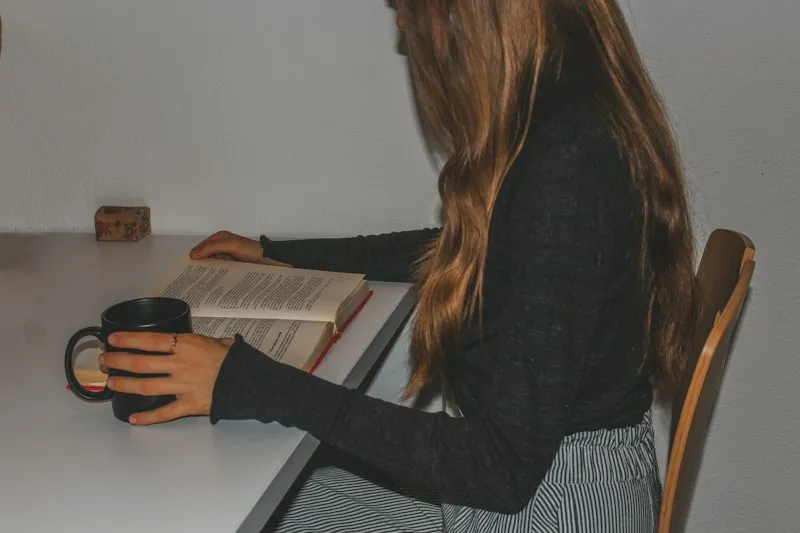
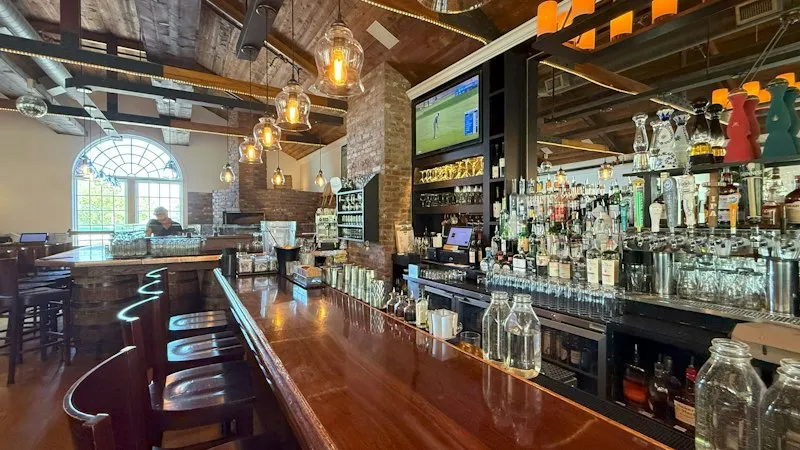
酒精使用的动机模型提出,饮酒行为是有意识(外显)和无意识(内隐)动机过程相互作用的结果。酒精相关的线索会激活诱因动机,而是否饮酒取决于一个人是否预期饮酒的积极情感后果会超过不饮酒的后果。
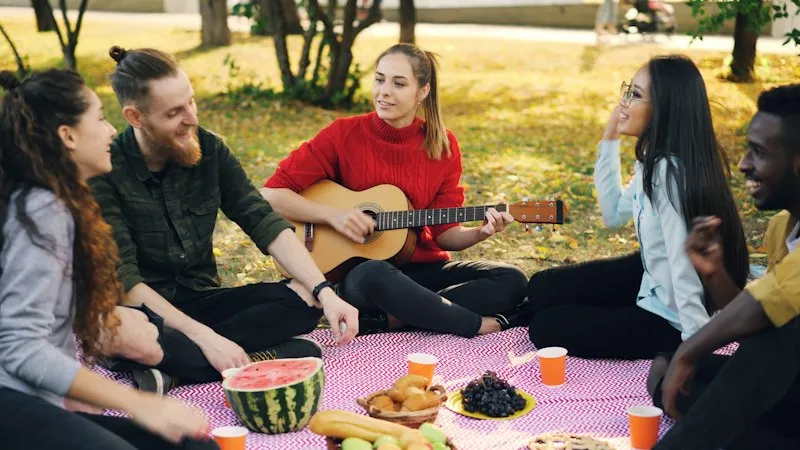
根据该模型,酒精动机的一个主要决定因素是一个人生活中激励的平衡。当人们缺乏可追求的令人满意的积极激励,并且生活被他们尚未取得令人满意进展去消除的消极激励所困扰时,他们更有动机使用酒精。这使酒精使用置于一个更广泛的动机框架内,其中饮酒决策是个人总动机联结的一部分。


常见问题
常见问题
每个答案都链接到其研究依据。
动机模型与成瘾的疾病模型有何不同?
什么是非化学激励,它们如何影响酒精使用?
下一篇
继续阅读
本文编辑精选的邻近指南。
 决策为什么我在需要工作时总被社交媒体等诱惑分心?了解为什么社交媒体会在工作时分散你的注意力,并比较三种应对诱惑的策略,每种策略都有不同的努力和权衡。3 分钟阅读
 操作指南为什么你很容易分心,无法集中注意力了解个人分心倾向和环境诱惑如何共同影响你偏离任务,以及你能做些什么。3 分钟阅读
 技巧为什么我总是在最糟糕的时刻屈服于诱惑?比较管理诱惑的方法,从避免诱惑线索到预先承诺,基于关于拖延和自我控制的研究。3 分钟阅读
 技巧比较理解自己饮酒行为的方式探讨期望、压力、个性和文化如何影响饮酒。比较反思为何饮酒以及饮酒如何影响你的实用方法。3 分钟阅读
 解说诱惑易感性诱惑易感性是指一个人在试图工作时,感到暴露于诱惑性替代选项并难以抵抗的程度。7 分钟阅读
参考文献
来源与证据
以下 4 篇研究论文支撑了本文。每节旁的数字链接到这里,每个 DOI 可打开原始论文。
来源 1:Attentional bias in addictive behaviors: A review of its development, causes, and consequences
FIELD, M, COX, W (2008). Attentional bias in addictive behaviors: A review of its development, causes, and consequences. DOI 10.1016/j.drugalcdep.2008.03.030
来源 2:A motivational model of alcohol use.
Cox, W. Miles, Klinger, Eric (1988). A motivational model of alcohol use.. DOI 10.1037/0021-843x.97.2.168
来源 3:Why college students procrastinate in online courses: A self-regulated learning perspective
Cheng, Sheng-Lun, Xie, Kui (2021). Why college students procrastinate in online courses: A self-regulated learning perspective. DOI 10.1016/j.iheduc.2021.100807
来源 4:Effects of using motivational regulation strategies on students' academic procrastination, academic performance, and well-being
Grunschel, Carola, Schwinger, Malte, Steinmayr, Ricarda, Fries, Stefan (2016). Effects of using motivational regulation strategies on students' academic procrastination, academic performance, and well-being. DOI 10.1016/j.lindif.2016.06.008