
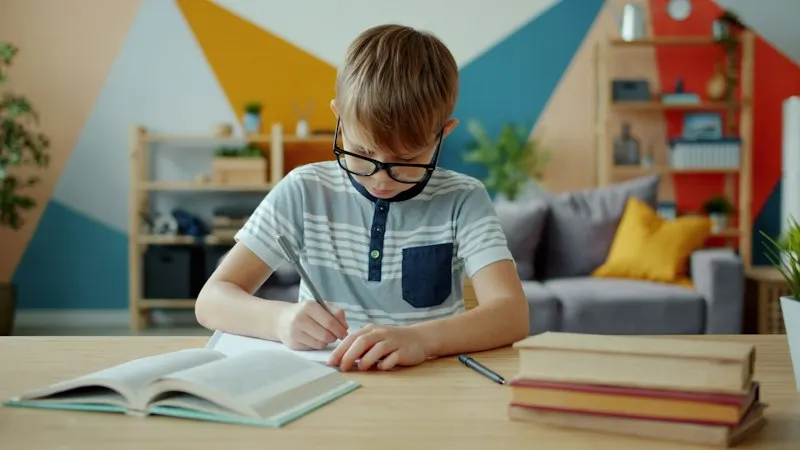
行为性拖延测量是一种通过观察和记录完成任务的实际延迟来评估拖延的方法,而不是要求人们评判自己的倾向。例如,研究人员可能会记录学生提交作业的时间相对于截止日期,提前提交得正分,延迟提交得负分。
由于自我报告的拖延与实际延迟只有中等程度的相关性,行为测量捕捉到了自我报告可能遗漏的拖延维度。它们可以提供一个更具体、更客观的评估拖延严重程度和行为倾向的方法,是对传统问卷的有益补充。


常见问题
常见问题
每个答案都链接到其研究依据。
在现实世界中,行为性拖延测量的一个例子是什么?
在准确性方面,行为测量与自我报告量表相比如何?
下一篇
继续阅读
本文编辑精选的邻近指南。
 时刻为什么我总是低估任务所需的时间?如果你总是低估任务所需的时间,你并不孤单。了解原因及一个快速改善时间估算的方法。3 分钟阅读
 决策为什么我明知不该拖延,却还是不断推迟学校作业?探究明知后果却仍拖延学业的原因,并考虑三种即时需求与权衡各异的策略。3 分钟阅读
 操作指南我该如何区分自己的拖延是正常的还是严重问题?学习如何通过简单的情境问题,根据拖延的模式对你的影响和你的感受,来区分典型的拖延和问题性拖延。4 分钟阅读
 技巧为什么我总是拖到最后才学习?了解为什么学习常常被拖到最后一刻,探讨动机和完美主义这两个关键因素,并比较不同方法,以理解你的情况。3 分钟阅读
 技巧如何测量拖延比较三种测量拖延的方法:自我报告量表、外部评级以及区分主动拖延与被动拖延。3 分钟阅读
 技巧怀疑无法完成任务:三种方法比较比较解决怀疑无法完成任务的三种方法:审视任务信念、建立自我调节信心、以及同时检查动机和能力3 分钟阅读
参考文献
来源与证据
以下 4 篇研究论文支撑了本文。每节旁的数字链接到这里,每个 DOI 可打开原始论文。
来源 1:On the Positive Side of Avoidance Motivation: An Increase in Avoidance Motivation Reduces Procrastination among Students
Schödl, Michal M., Raz, Aharon, Kluger, Avraham N. (2018). On the Positive Side of Avoidance Motivation: An Increase in Avoidance Motivation Reduces Procrastination among Students. DOI 10.1111/apps.12147
article来源 2:The portrait of the procrastinator: Risk factors and results of an indecisive personality
Tibbett, Thomas P., Ferrari, Joseph R. (2015). The portrait of the procrastinator: Risk factors and results of an indecisive personality. DOI 10.1016/j.paid.2015.03.014
来源 3:Academic procrastination and goal accomplishment: A combined experimental and individual differences investigation
Gustavson, Daniel E., Miyake, Akira (2017). Academic procrastination and goal accomplishment: A combined experimental and individual differences investigation. DOI 10.1016/j.lindif.2017.01.010
来源 4:On the Behavioral Side of Procrastination: Exploring Behavioral Delay in Real-Life Settings
Svartdal, Frode, Granmo, Sjur, Færevaag, Fredrik S. (2018). On the Behavioral Side of Procrastination: Exploring Behavioral Delay in Real-Life Settings. DOI 10.3389/fpsyg.2018.00746
article