
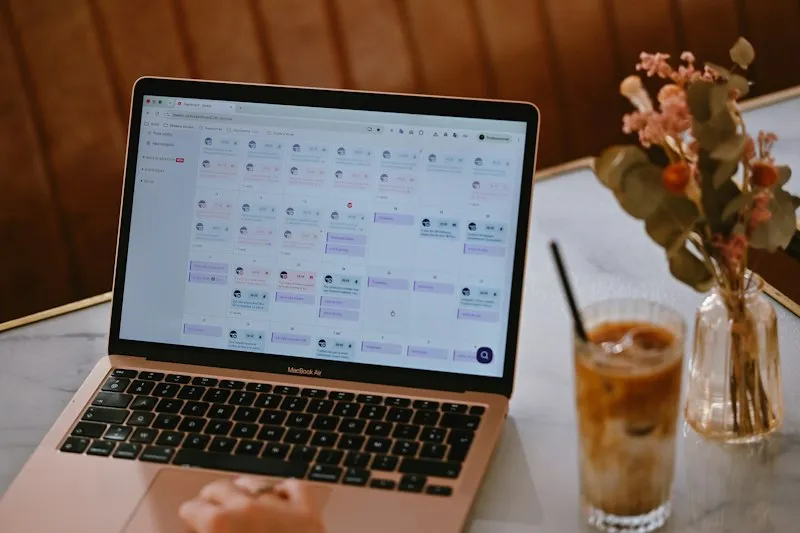
完成截止日期的能力是拖延逆转的有力指标。在关于主动拖延的研究中,这种能力是传统拖延测量的反向补充,意味着能够完成截止日期的人往往不会被动拖延。
这项技能是主动拖延的四个特征之一,其他包括偏好压力、有意决定和结果满意度。研究表明,它始终与学业成就相关,尽管这种效应可能由其他因素解释。


常见问题
常见问题
每个答案都链接到其研究依据。
主动拖延和被动拖延有什么区别?
自我效能能否解释为什么有些人会拖延?
下一篇
继续阅读
本文编辑精选的邻近指南。
 时刻为什么我总是把重要的任务拖到最后一刻?如果你现在正在拖延一项任务,你不是懒惰。这是关于逃避焦虑。使用简单的2分钟起步法来打破这个循环。2 分钟阅读
 决策延宕任务的实际风险是什么?探索拖延的利弊:学业风险、时间压力,以及如何根据你当前的承受能力做出选择。4 分钟阅读
 操作指南如何衡量拖延症对学业的影响程度使用拖延评估量表-学生版(PASS)评估你拖延学业任务的频率及其严重程度。4 分钟阅读
 技巧比较理解拖延频率的技巧探索不同的实践,审视为何你比他人更易拖延,尤其作为女性时,以及性别如何与自我调节策略相关。3 分钟阅读
 技巧理解明知后果却仍逃避数学作业的原因本文探讨为何明知日后会后悔,你却仍逃避数学作业,聚焦于情绪修复和短时情绪调节。3 分钟阅读
 技巧理解阻碍收尾行动的怀疑探索基于自我效能和自我调节研究,解决对完成目标自我怀疑的技巧。3 分钟阅读
参考文献
来源与证据
以下 4 篇研究论文支撑了本文。每节旁的数字链接到这里,每个 DOI 可打开原始论文。
来源 1:Purposeful delay and academic achievement. A critical review of the Active Procrastination Scale
Pinxten, Maarten, De Laet, Tinne, Van Soom, Carolien, Peeters, Christine, et., al. (2019). Purposeful delay and academic achievement. A critical review of the Active Procrastination Scale. DOI 10.1016/j.lindif.2019.04.010
来源 2:The role of personality traits and need for cognition in active procrastination
Zhou, Mingming (2019). The role of personality traits and need for cognition in active procrastination. DOI 10.1016/j.actpsy.2019.102883
来源 3:Examining ‘active’ procrastination from a self-regulated learning perspective
Cao, Li (2012). Examining ‘active’ procrastination from a self-regulated learning perspective. DOI 10.1080/01443410.2012.663722
来源 4:Reconsidering active procrastination: Relations to motivation and achievement in college anatomy
Hensley, Lauren C. (2014). Reconsidering active procrastination: Relations to motivation and achievement in college anatomy. DOI 10.1016/j.lindif.2014.10.012