
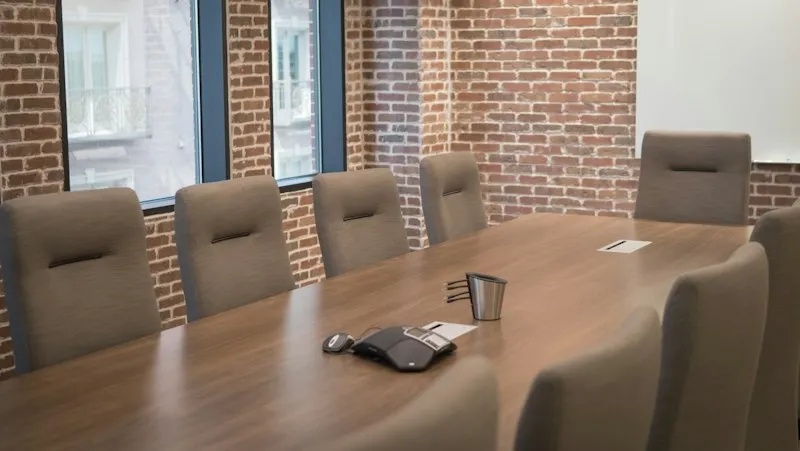
共享心智模型(SMM)是团队成员对工作环境关键要素(包括任务本身以及团队成员间的互动方式)所共有的重叠认知理解。这种共享理解使得团队成员无需频繁进行明确沟通即可协调行为,从而更有效地完成任务。
研究区分了与任务相关的共享心智模型(例如流程、技术、设备)以及与团队相关的共享心智模型(例如互动风格、成员间的感知相似性)。这两种类型都有助于团队成功,因为成员需要同时对工作本身和工作关系有共同的理解。



常见问题
常见问题
每个答案都链接到其研究依据。
研究中如何测量共享心智模型?
共享心智模型可以有意识地改进吗?
下一篇
继续阅读
本文编辑精选的邻近指南。
 时刻我的团队无法真正理解彼此如果你的团队感到脱节或冲突迅速升级,共享心智模型可以提供帮助。了解其机制以及一个快速建立一致性的工具。3 分钟阅读
 决策为什么我的团队一直争论做事情的最佳方式?关于方法的团队争论往往源于缺乏共同理解。选择一种符合团队当前能力的策略。3 分钟阅读
 技巧改善团队任务对齐的实践比较三种基于证据的实践,以减少任务对齐问题:将任务冲突与工作流程对齐、优先建立团队导向的心智模型、以及根据任务相互依赖性调整信息共享。3 分钟阅读
- 技巧为什么你的团队在冲突后感觉不对劲探讨理解冲突为何会在团队中挥之不去的方法,提供关于信任动态和沟通的见解。3 分钟阅读
 技巧注意和应对社交信号探索可能帮助你在对话中注意社交信号的实践,基于对情境、内部感觉和注意力分配的认知。3 分钟阅读
 解说心智模型心智模型是关于事物如何运作的心理表征。它们帮助你理解系统、预测结果并与他人协调。5 分钟阅读
参考文献
来源与证据
以下 4 篇研究论文支撑了本文。每节旁的数字链接到这里,每个 DOI 可打开原始论文。
来源 1:Understanding the relationship between mental models, conflict and conflict asymmetry
Bergiel, Erich B., Gainey, Thomas W., Bergiel, Blaise J. (2015). Understanding the relationship between mental models, conflict and conflict asymmetry. DOI 10.1108/tpm-02-2015-0009
article来源 2:The cognitive underpinnings of effective teamwork: A meta-analysis.
DeChurch, Leslie A., Mesmer-Magnus, Jessica R. (2010). The cognitive underpinnings of effective teamwork: A meta-analysis.. DOI 10.1037/a0017328
article来源 3:Personality, Relationship Conflict, and Teamwork-Related Mental Models
Vîrgă, Delia, CurŞeu, Petru Lucian, Maricuţoiu, Laurenţiu, Sava, Florin A., et., al. (2014). Personality, Relationship Conflict, and Teamwork-Related Mental Models. DOI 10.1371/journal.pone.0110223
来源 4:Team mental models, relationship conflict and effectiveness over time
Marques Santos, Catarina, Margarida Passos, Ana (2013). Team mental models, relationship conflict and effectiveness over time. DOI 10.1108/tpm-01-2013-0003
article