
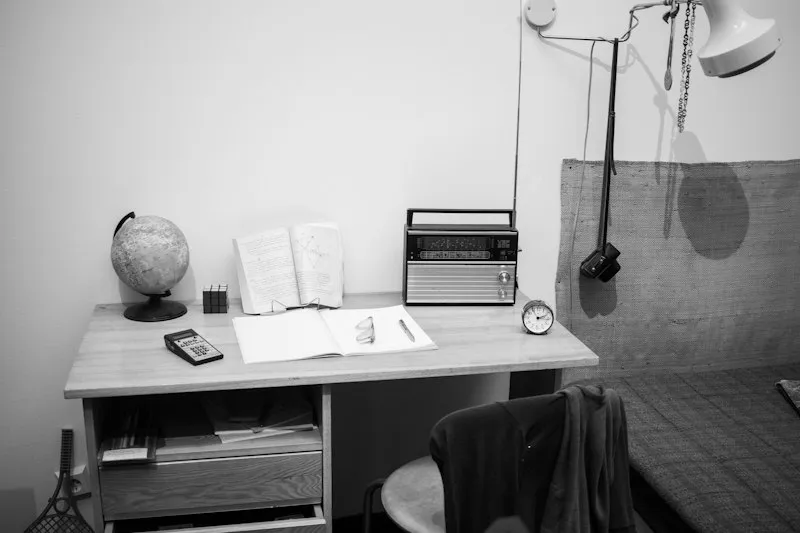
短期情绪调节是指试图在当下管理自己的感受,通常是通过减少不愉快情绪或保持好心情。在拖延的背景下,这意味着选择一项能让你现在感觉更好的活动,而不是去处理那些让你感到压力、无聊或不舒服的任务。
这种倾向本身并非坏事--每个人有时都会寻求安慰。然而,当短期情绪调节持续压倒你的长期计划时,它就会成为一种破坏你目标的模式。研究人员将其描述为一种自我调节失败,即对即时缓解的渴望压倒了未来奖励的价值。


表现后的情绪修复

短期情绪调节也可能在你已经表现不佳后发生。一种策略是使用下行反事实比较--将你的结果与更糟糕的情景进行比较。告诉自己“至少我没有完全失败”可以在短期内修复你的情绪,突出事情本可能更糟。
虽然这可以恢复积极的自我感觉并减少痛苦,但它也可能降低改变行为的动力。如果你在挫折后迅速感觉良好,你可能就不太愿意分析哪里出了问题,或者在未来采用更有效的策略。即时的情绪缓解伴随着学习和进步方面的潜在代价。
来源S12

常见问题
常见问题
每个答案都链接到其研究依据。
短期情绪调节总是有害的吗?
短期情绪调节与其他形式的情绪调节有何不同?
下一篇
继续阅读
本文编辑精选的邻近指南。
 时刻厌倦了那些永远不管用的短期安慰如果你用分心事物让自己暂时感觉好一点,这种冲动并非软弱--而是你的心智在保护你。2 分钟阅读
 决策为什么心情不好时我总是寻求快速解决方法?理解短期情绪修复的吸引力,并在三种有证据支持的策略中做出有意的选择。3 分钟阅读
 操作指南识别压力来袭时的低痛苦耐受性当压力来袭时,学会注意到低痛苦耐受性可以帮助你在伸手拿垃圾食品前暂停。简单的觉察是第一步。3 分钟阅读
 技巧心情不好时转向分心物探讨为何在情绪低落时会寻求分心--比较简单情绪修复、社交媒体缓解和培养情绪调节能力。3 分钟阅读
 解说什么是心情修复?心情修复意味着寻求即时缓解负面情绪,通常通过推迟困难的任务。它可能会增加内疚和未来问题,从而产生反效果。6 分钟阅读
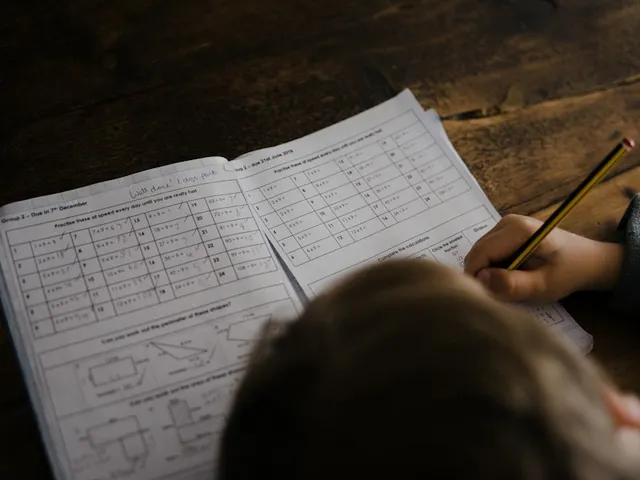 技巧理解明知后果却仍逃避数学作业的原因本文探讨为何明知日后会后悔,你却仍逃避数学作业,聚焦于情绪修复和短时情绪调节。3 分钟阅读
参考文献
来源与证据
以下 4 篇研究论文支撑了本文。每节旁的数字链接到这里,每个 DOI 可打开原始论文。
来源 1:Procrastination as a Form of Misregulation in the Context of Affect and Self-Regulation
Pietrzak, Anna, Tokarz, Aleksandra (2016). Procrastination as a Form of Misregulation in the Context of Affect and Self-Regulation. DOI 10.1515/sh-2016-0016
article来源 2:Giving in when feeling less good: Procrastination, action control, and social temptations
Sirois, Fuschia M., Giguère, Benjamin (2018). Giving in when feeling less good: Procrastination, action control, and social temptations. DOI 10.1111/bjso.12243
article来源 3:Procrastination and the Priority of Short‐Term Mood Regulation: Consequences for Future Self
Sirois, Fuschia, Pychyl, Timothy (2013). Procrastination and the Priority of Short‐Term Mood Regulation: Consequences for Future Self. DOI 10.1111/spc3.12011
article来源 4:Task and relationship conflict in short‐term and long‐term groups
Curşeu, Petru L., Boroş, Smaranda, Oerlemans, Leon A.G. (2012). Task and relationship conflict in short‐term and long‐term groups. DOI 10.1108/10444061211199331