
Comparing Coping Styles for Overwhelm
Explore three evidence-backed coping approaches-task-oriented, problem-focused, and emotion-focused-and how they relate to feeling overwhelmed.
The question
Why can't I just focus on the task instead of getting overwhelmed?

Overview
Feeling overwhelmed can make it hard to simply focus on the task at hand. This happens because stress appraisal-how you judge a situation's demands against your resources-plays a big role in your response. The way you cope can either help you engage constructively or push you toward avoidance. While you may wish you could just buckle down, the research highlights three distinct coping styles that people naturally use: task-oriented, problem-focused, and emotion-focused. The evidence doesn't say one works best for everyone; it depends on the situation and your personal tendencies.
The coping styles described here come from studies on stress, procrastination, and health challenges. They offer a framework for understanding your reactions, not a prescription. Recognizing which style you lean toward in overwhelming moments can help you choose a more intentional approach. The excerpts don't establish that any single practice will eliminate overwhelm, but they do provide a useful way to compare your options.
Task-Oriented Coping
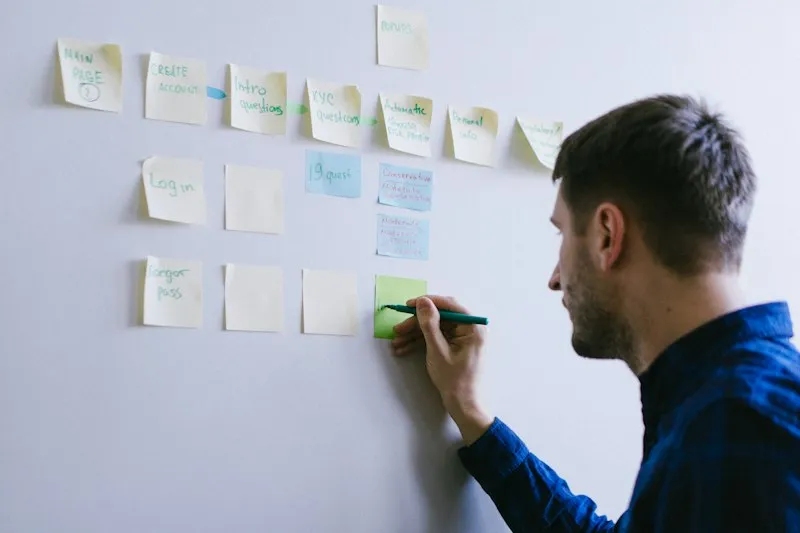
When you feel overwhelmed, task-oriented coping means focusing directly on the immediate task and tackling it with constructive action. You size up what needs to be done and take practical steps forward, even under time pressure. This approach works best if you believe you can influence the situation-for example, breaking a big project into smaller parts or estimating the time needed and working efficiently.
Research on active procrastinators shows they tend to use task-oriented coping under stress and can perform well under last-minute pressure. However, this style is more common in people who already feel able to manage the stressor. If your sense of self-efficacy is low, this approach may feel harder to initiate. The evidence doesn't show that simply trying to focus works for everyone; it depends on your confidence in your ability to handle the task.
Problem-Focused Coping

Problem-focused coping goes beyond the task and addresses the source of the overwhelm itself. You analyze the problem, make a plan, and take action to change the situation-like negotiating a deadline or gathering resources. It involves cognitive problem-solving and behavioral strategies aimed at altering the person-environment relationship. This style feels natural when you think the cause of stress can be changed.
Evidence shows that people use problem-focused coping across many kinds of stressful episodes, even in health crises where emotions are high. However, the approach works best in changeable situations. In circumstances where you have little control, problem-focused coping may not reduce overwhelm and can even increase frustration. The research also notes that in deeply personal stress (like grief), clear problem-focused actions may be hard to separate from emotion-focused ones, which limits predi
Emotion-Focused Coping

When the task feels overwhelming and you can't change the situation, emotion-focused coping directs your energy toward managing the feelings themselves-anxiety, fear, or dread. This might include self-soothing, expressing grief, or working through distress rather than forcing yourself to concentrate. It's a way to regulate emotional distress when the stressor is uncontrollable.
Research on bereavement and health crises shows that emotion-focused coping is complex and can include both helpful and unhelpful strategies (like rumination vs. working through). It's often the dominant response in situations where a person has little power over the stressor, and it can coexist with problem-focused coping. However, the studies caution that this style is hard to evaluate: what looks like avoidance may be a necessary part of processing grief. The evidence doesn't suggest that emo
Take it further
Pause and Reflect
When you feel overwhelmed, which of these coping styles do you notice yourself using most, and what might that tell you about what you need in that moment?
Talk it out
Talk It Through
When you notice yourself getting overwhelmed, what helps you shift from avoiding the task to actually starting on it?
References
Sources & evidence
4 research papers informed this article. The numbers beside each section link here, and each DOI opens the original paper.
Source 1:Why Not Procrastinate? Development and Validation of a New Active Procrastination Scale
Choi, Jin Nam, Moran, Sarah V. (2009). Why Not Procrastinate? Development and Validation of a New Active Procrastination Scale. DOI 10.3200/socp.149.2.195-212
Source 2:Rethinking Procrastination: Positive Effects of
Chun Chu, Angela Hsin, Choi, Jin Nam (2005). Rethinking Procrastination: Positive Effects of. DOI 10.3200/socp.145.3.245-264
Source 3:An Analysis of Coping in a Middle-Aged Community Sample
Susan Folkman, Richard S. Lazarus (1980). An Analysis of Coping in a Middle-Aged Community Sample. DOI 10.2307/2136617
DOI 10.2307/2136617articleSource 4:THE DUAL PROCESS MODEL OF COPING WITH BEREAVEMENT: RATIONALE AND DESCRIPTION
Schut, Margaret Stroebe, Henk (1999). THE DUAL PROCESS MODEL OF COPING WITH BEREAVEMENT: RATIONALE AND DESCRIPTION. DOI 10.1080/074811899201046
DOI 10.1080/074811899201046article